
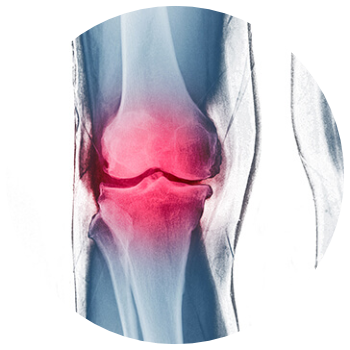
Knee osteoarthritis, also known as gonarthrosis, is characterized by the gradual wear and tear of the cartilage in the joint surfaces of the knee, causing pain, inflammation, and decreased joint function.Osteoarthritis is a chronic condition that develops slowly over time, although its severity can vary from person to person. Factors that may contribute to the development of knee osteoarthritis include age, genetics, ongoing wear and tear, previous knee injuries, obesity, and excessive physical activity.
As the cartilage wears away, bones rub directly against each other, causing pain, stiffness, and reduced mobility in the knee joint. Knee osteoarthritis can affect quality of life by limiting the ability to perform daily activities and participate in physical activity.
The diagnosis of osteoarthritis can be made solely with plain X-rays and a physical examination of the patient.
Treatment for knee osteoarthritis may include:
Pain management: Anti-inflammatory medications, analgesics, and local therapies to relieve pain and inflammation.
Physical therapy: Exercises and physical therapy to strengthen the muscles around the knee and improve mobility.
Weight loss: If necessary, losing weight can reduce the load on the knee joints and relieve pain.
Viscosupplementation: The injection of agents or medications directly into the knee to relieve symptoms and improve the quality of joint cartilage and synovial fluid. These agents may include hyaluronic acid, collagen, corticosteroids, platelet-rich plasma, or stem cell derivatives.
Supplements and complementary therapies: Some patients may benefit from supplements such as glucosamine and chondroitin, as well as alternative therapies such as acupuncture.
Surgery: In severe cases where other treatments do not provide sufficient relief, joint replacement surgery (knee arthroplasty) should be considered.