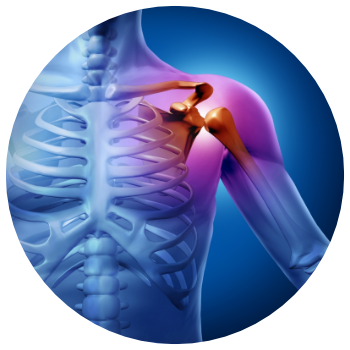
The care and treatment of dislocations refers to the medical care and therapies used to treat dislocated joints. A dislocation occurs when the ends of the bones in a joint are forced out of their normal position. This can result in pain, swelling, and loss of function in the affected joint.
The care and treatment process for dislocations generally involves the following steps:
Reduction: The healthcare professional performs a «reduction» to return the displaced bones to their original position. This can be done manually or, in some cases, may require anesthesia and more invasive manipulation.
Immobilization: After the reduction, the joint is usually immobilized using bandages, splints, or casts to allow healing and prevent sudden movements.
Rehabilitation: Once the immobilization is removed, physical therapy and rehabilitation begin. Therapeutic exercises help strengthen the muscles around the joint, restore flexibility, and improve function.
Follow-up: Medical professionals conduct regular follow-ups to monitor recovery and adjust the treatment plan as needed.
Prevention: Advice and guidelines are provided to prevent future dislocations, such as muscle strengthening, proper movement techniques, and stability exercises.
Follow-up: Medical professionals conduct regular follow-ups to monitor recovery and adjust the treatment plan as needed.
Prevention: Advice and guidelines are provided to prevent future dislocations, such as muscle strengthening, proper movement techniques, and stability exercises.
It is important to seek immediate medical attention in the event of a dislocation to avoid complications and promote optimal recovery. Each case may be unique, and the treatment approach can vary depending on the severity of the dislocation and the joint involved. Proper care and treatment of dislocations are essential to restore function and prevent recurrence.