Sprains and strains are common injuries that affect the ligaments and muscles in the body.
Although the two terms are often used interchangeably, they have specific meanings and refer to different types of injuries.
Sprain:
A sprain is an injury to the ligaments, which are fibrous tissues that connect bones at a joint.
Sprains occur when a ligament is stretched beyond its normal range of motion or is partially or completely torn.
Sprains are classified into three grades based on their severity:
Grade 1 sprain: Mild stretching of the ligament.
Grade 2 sprain: Partial tear of the ligament.
Grade 3 sprain: Complete tear of the ligament.
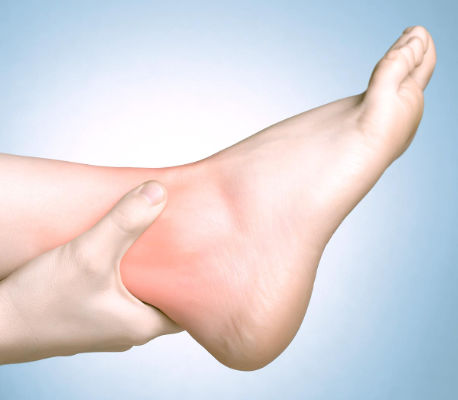
Symptoms of a sprain may include pain, swelling, bruising, limited movement, and a feeling of instability in the affected joint. Treatment may range from rest, ice, compression, and elevation (RICE), physical therapy, immobilization with bandages or splints, pain medication, and, in severe cases, surgery to repair the torn ligament.
Strain:
A strain, also known as a muscle strain, occurs when muscles or tendons (the tissues that connect muscles to bones) are stretched or torn due to sudden or excessive movement.
Sprains are also classified by grade based on severity:
Grade 1 strain: Mild stretching of muscle or tendon fibers.
Grade 2 strain: Partial tear of muscle or tendon fibers.
Grade 3 strain: Complete tear of muscle or tendon fibers.
Symptoms of a strain may include pain, swelling, muscle weakness, spasms, and difficulty moving the affected area. Treatment may include rest, cold application, pain medication, physical therapy, stretching and strengthening exercises, and in severe cases, surgery in very rare situations.